

First Person Plurality
Can storytelling be good collective medicine?


I’m facing kind of a dilemma right now. The medication, Abilify, that helped me come out of my most recent depression also seems to be having unfortunate side effects: I’m very weak, making it hard to walk; and (as I wrote about last time) I’m suffering from akathisia, a restlessness that makes it hard to sit still, focus, and do stuff like reading — and, for that matter, Substacking. For the latter problem (akathisia) I was prescribed yet another med, propranolol — which, despite its name, is no lol: in fact, it’s been kind of a drag of a drug, seemingly making me even weaker (to the point that I had to ask Sara to pick me up from the BART station, so I wouldn’t have to walk a few blocks).
So I wrote to my prescribing psychiatrist and said I wanted to knock off both the Abilify and the propranolol, even at the risk that I might slip back into a depression. This is a difficult choice to make, either way — but what cinched it for me was that I’ve started a run of my latest solo show, What Is To Be Done?: Fighting Fascism and Depression, at The Marsh in San Francisco, and I need to be able to move about the stage. At my first performance, last Friday, I told the audience what I was dealing with, so they’d understand why I was delivering the monologue mostly while seated.
(A side-note: this meant that I sometimes couldn’t remember certain words in my show — which is improvised, but has several elements that repeat from performance to performance. That’s because, for us actors, our lines are kind of wedded to the movements we do when we say them. I had a friend in a play that was re-blocked so that instead of sliding from left to right on a couch, he now slid from right to left; he couldn’t, for the life of him, remember the lines he’d delivered hundreds of times before.)

The performance last Friday went fine, and was warmly received, but I felt weird throughout — almost as if I was delivering the stories in a language I wasn’t fluent in.
My psychiatrist agreed that this situation was unsustainable, and allowed me to quit the Abilify. The problem being that Abilify takes over two weeks to leave your system. So I’m still weak, and still quite jittery. (And now I have an additional worry: that this all will turn out to be because of something other than the medication’s side effects.) Meanwhile, I keep monitoring my mood, trying to sense whether I might be getting depressed again.
So far, so good — I think. I mean, there’s depressed and then there’s just bummed, right? The latter is a normal occurrence, one that we can usually bounce back from; the former is life-distorting. All this self-monitoring, while I work on a new stage piece (and think about what to write to you folks), has gotten me thinking about some of the nuances of storytelling — especially as I get older. This feels especially relevant as I tell this particular story onstage — about the “situational depression” that so many of us are going through, due to having to struggle constantly against fascism, regardless of whether we happen to be clinically depressed.
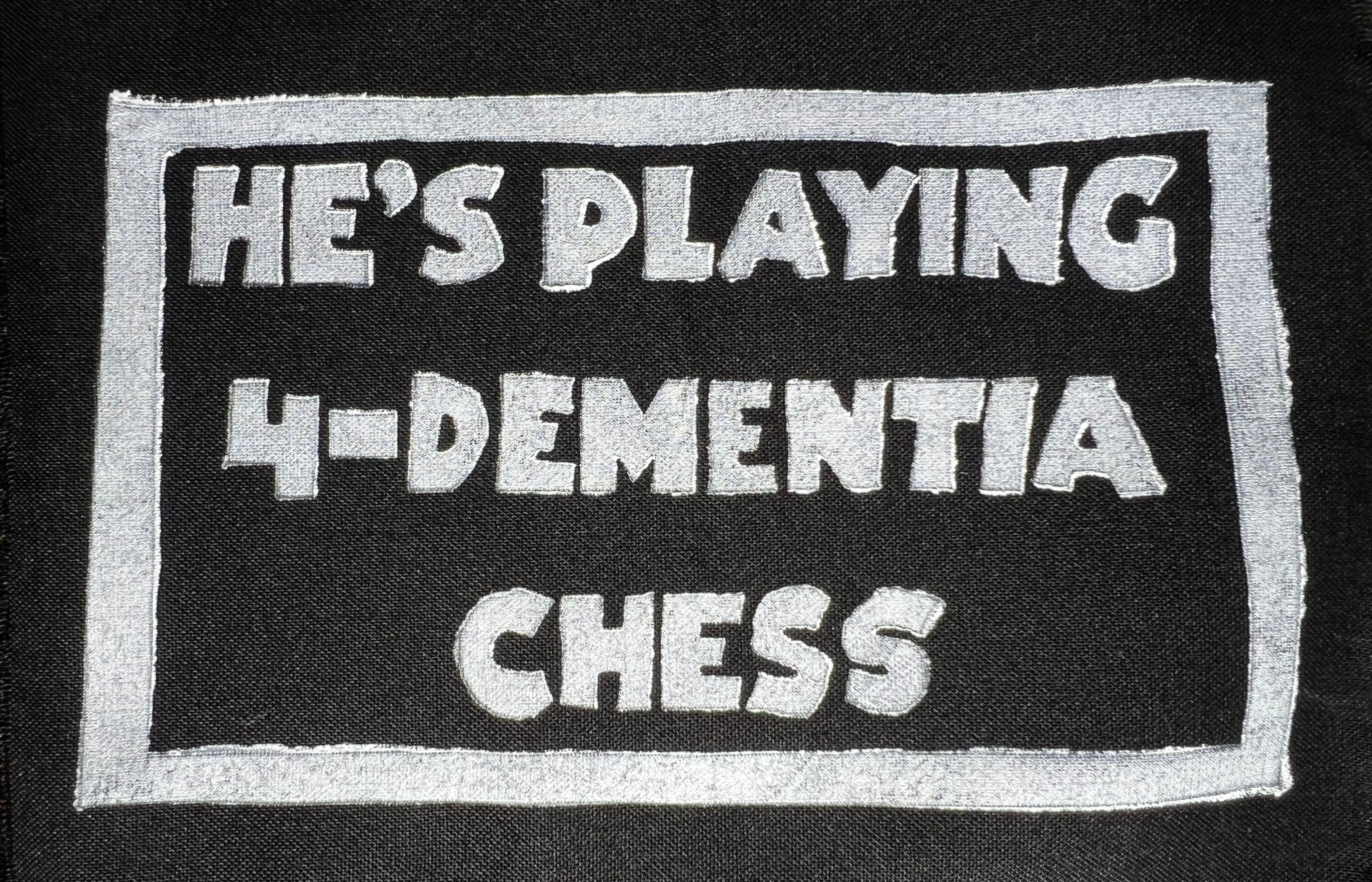
Although, as always with my autobiographical monologues, I feel I am coming from a very personal point of view, I also have the sense that I’m trying to tell our collective story in some way. To an extent, I guess that’s always true of my stories — I always hope for them to be relatable by most audiences — but the sense of doing collective storytelling feels particularly acute in this instance, as so many of us share so many of the same terrors, frustrations, and — occasionally — joys (can’t wait for the next No Kings!).
Then there’s the getting-older part: When I told my stories as a young man, it was as someone embarking on lifelong pursuits. Whereas now — as, um, a less-young person — my focus is mostly on the future of younger generations.
Actually, there’s another twist as well: More and more, my backward-looking thoughts have a new kind of intimacy, and I see my late parents almost as peers (rather than as, you know, the god-giants of my childhood). This new attitude has even been entering my dreams, where I’ve been encountering my mom and dad more as fellow travelers (in every sense) rather than as tour guides or teachers.
So it’s an interesting time for me, caught between my doc and a hard place — between medicating for depression and coping with the meds’ side effects. Not to mention the side effects of time’s forward flow.
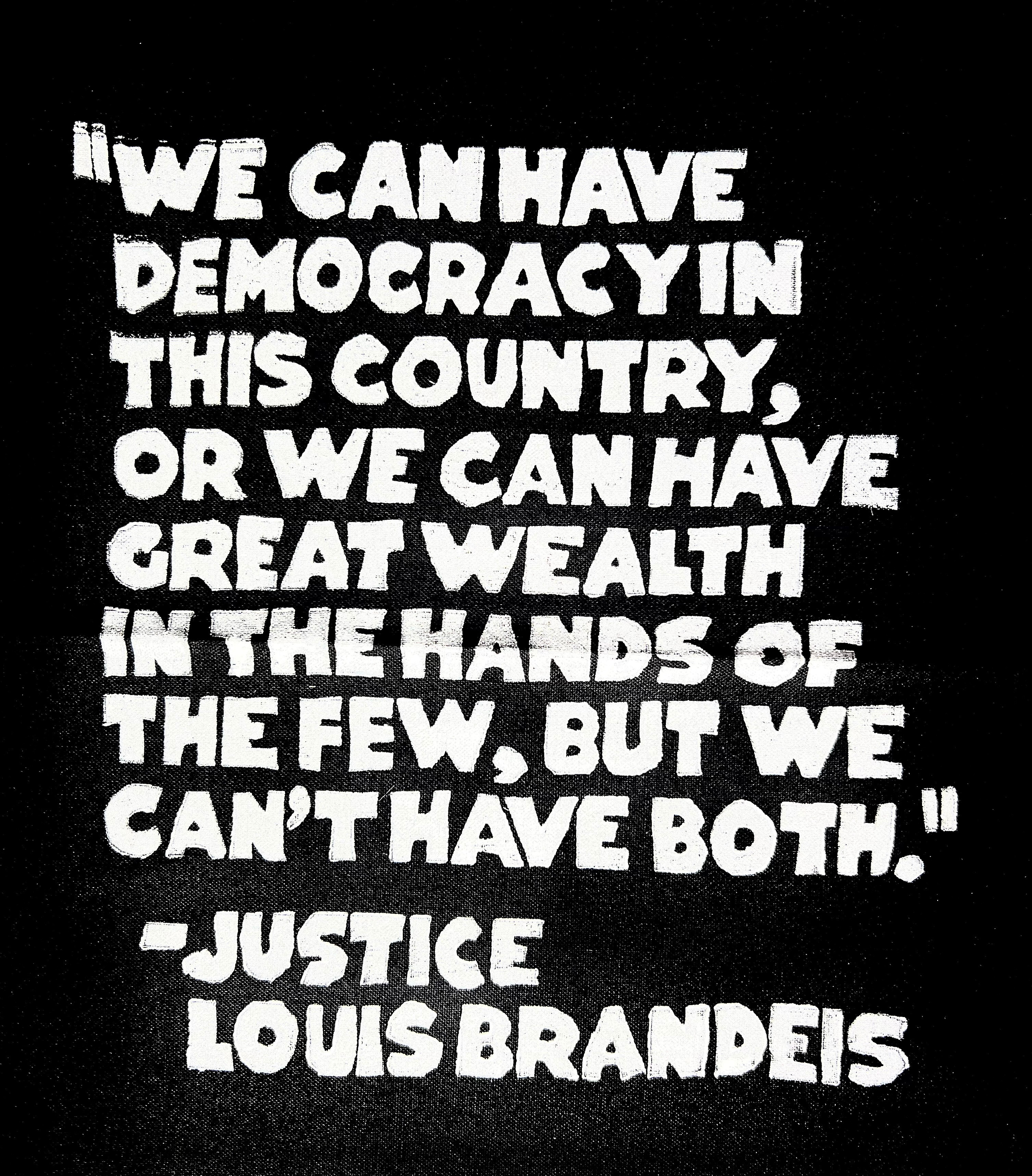
The psychiatrist has offered to switch me to another, Abilify-like drug, Seroquel, that supposedly has milder side effects. But I think I’m going to hold off on that until I see what happens in the next week, when the Abilify leaves my bloodstream. Stay tuned for the, um, Seroquel.
Performance note: This weekend only, my performance of What Is To Be Done?: Fighting Fascism and Depression will be a 5 p.m. Saturday matinée. Tix & info here.
Best of luck Josh! And: it’s very courageous of you to try to deal with your depression sans meds: my guess is your new show will get easier and bring you so much joy, and so much laughter and positive feedback from the audiences that you’ll be able to stay off meds.
How awful that the meds that are supposed to help you make you weak! I feel lucky that the first medicine and dosage were just right for me (Zoloft,100). I know of others who had to keep trying different meds, different dosages, and different combinations to get relief. You'll get there, Josh!